What to Expect During a Professional Septic Tank Pumping
If you have never had your septic system serviced before, septic tank pumping can feel like a mystery. Knowing what to expect before the technician arrives can help the whole process go smoothly. Homeowners in Hartford, MI, and across Southwest Michigan who rely on a septic system benefit from understanding the inspection and pumping process from start to finish.
Why Septic Tank Pumping Matters for Your Home
Regular septic tank pumping may be one of the most important types of home maintenance you can do. Over time, solid waste and sludge build up inside the tank. If that buildup is not removed on a routine schedule, it can work its way into the drain field, which can lead to much larger and more expensive problems.
Skipping routine service does not save money. In many cases, it creates the kind of damage that can cost far more to fix than a standard pumping visit would have. Staying on a regular schedule is generally the most practical way to protect your septic system.
Signs That Your Tank May Need Service
Your system may be giving you hints that it is time to call a professional. Some of the most common signals include:
- Slow-draining sinks or toilets throughout the home.
- Gurgling sounds coming from drains.
- Unpleasant odors near the drain field or inside the house.
- Standing water or unusually green patches of grass near the tank area.
If you notice any of these signs, scheduling a septic tank pumping appointment sooner rather than later is often the wiser choice.
Before the Technician Arrives
A little preparation on your end can help the service visit go faster and more efficiently.
Locating Your Tank Access
If you know where your tank and access lids are located, mark them before the technician arrives. If you are unsure of the tank's location, the service provider may be able to help identify it. In many cases, homeowners discover they do not know exactly where their tank sits, which can add time to the visit.
Having a copy of your property's septic system permit or diagram on hand can be very useful. Many Michigan homeowners keep this with their home ownership documents or can request it from the county health department.
Clearing the Area
Make sure the path from the street or driveway to the tank is accessible for a service vehicle. Parked cars, lawn equipment, or overgrown landscaping may slow things down. The technician will need room to maneuver a vacuum truck close to the access point.
What Happens During the Inspection and Pumping Process
Understanding the actual steps involved can help you feel more confident about what is taking place on your property.
Step 1: Locating and Opening the Access Lid
The technician will first locate and open the tank's access lid or riser cover. Depending on your tank's setup, this may require some light digging if the lids are buried below ground. This is a normal part of the process in many older properties.
Step 2 - Visual Inspection of the Tank
Before any pumping begins, a good technician will perform a visual inspection of the tank's interior. This typically includes checking the condition of the inlet and outlet baffles, looking for cracks or damage to the tank walls, and noting the level of solids and scum inside. This initial look can reveal whether there are any obvious problems that may need attention beyond routine pumping.
Step 3: Pumping Out the Tank Contents
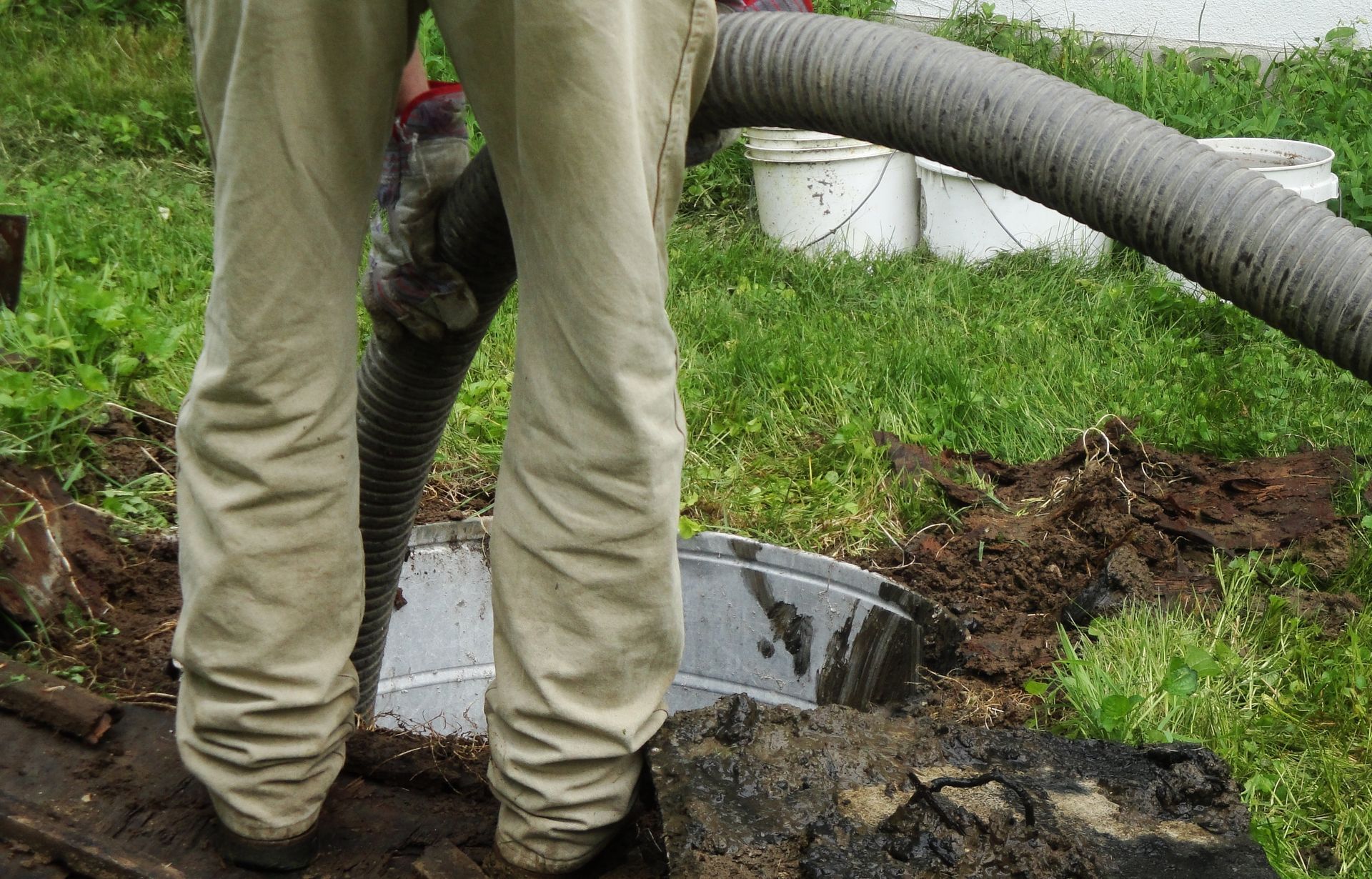
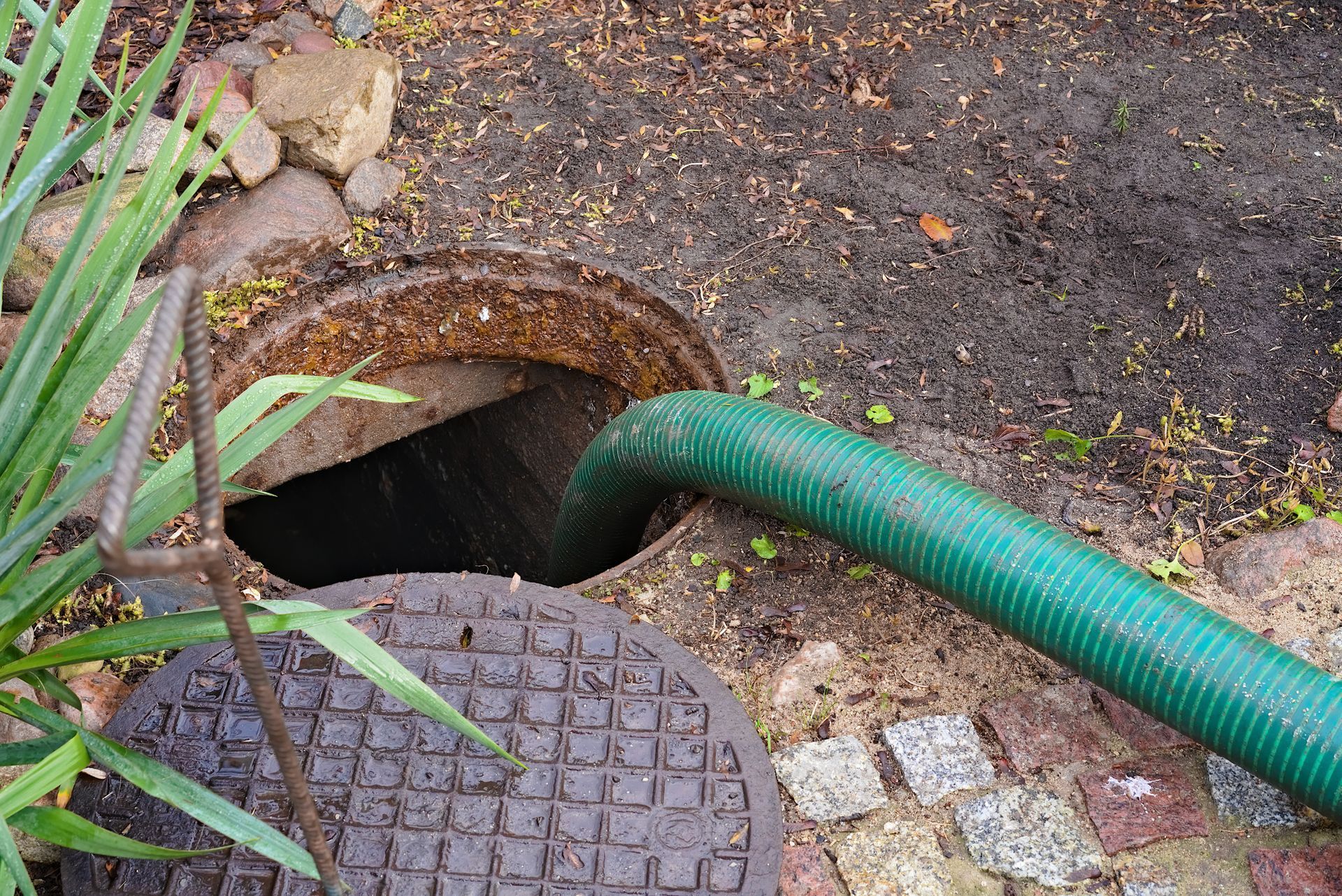
The technician connects a large vacuum hose from the truck to the access port. The truck's vacuum pump then draws out the liquid waste, sludge, and scum layers from inside the tank. This part of the process may take anywhere from several minutes to longer, depending on the size of the tank and how full it is. The goal is to remove all of the contents, not just the top layer.
Step 4: Inspecting the Empty Tank
Once the tank is empty, the technician can get a much clearer view of the tank's condition. This is typically when they check the structural integrity of the tank walls, look at the baffles more closely, and assess whether any repairs may be needed. An empty tank tells a more complete story than a full one.
Step 5: Closing Up and Providing Feedback
After the inspection is complete, the technician will reseal the access lids and restore the area. A good technician will also share their findings with you. If they noticed any issues during the inspection, this is the time to ask questions and understand what, if anything, may need follow-up.
The Difference Between Pumping and a Full Inspection
These two services are related, but not identical. Pumping removes the waste from the tank. An inspection evaluates the condition of the tank and the drain field. In many service visits, both happen together, since an empty tank allows for a more thorough visual check. However, a standalone real estate inspection, such as one required during a home sale, is typically more formal and detailed.
If you are buying or selling a home in Hartford, MI, a septic inspection may be required before the transaction can close. Scheduling this separately from a routine pumping visit is a common practice.
How Often Should You Schedule Septic Tank Pumping?
For most residential properties, local septic pumping is generally recommended every few years, though the right interval can vary. The size of the tank, the number of people in the household, and how the system is used all play a role in how quickly solids accumulate.
Properties in Van Buren County and the surrounding Southwest Michigan area, including Hartford, MI, often use private septic systems because municipal sewer access is not available in all areas. This makes routine maintenance especially important for protecting your property and the local environment.
Homeowners who wait too long between service visits may find that solids have migrated toward the drain field, which can be a much more involved problem to address. Staying consistent with your schedule is typically the more cost-effective approach over time.
What to Do After Your Tank Is Pumped
Once the service is complete, there are a few simple habits that can help keep your system healthy between visits.
- Avoid flushing items that do not break down easily, such as wipes, paper towels, or hygiene products.
- Be mindful of what goes down the kitchen drain, including grease and food scraps.
- Spread laundry loads throughout the week to avoid overwhelming the system with large amounts of water at once.
- Avoid planting trees or shrubs with deep root systems near the drain field.
- Do not park vehicles or place heavy objects over the tank or drain field area.
Not Sure What Your Septic System Needs?
When you are ready to schedule a septic tank pumping visit or have questions about what your system may need, Kendall's Septic & Sewer Service Inc. serves residential and commercial clients across Hartford, MI, and Southwest Michigan. To request service online, visit the contact page and submit your information. You can also find Kendall's Septic & Sewer Service Inc. on Google Maps to read reviews and confirm service area details.